
As the leaves begin to turn and temperatures start to drop in Placentia, fall presents the perfect opportunity for homeowners to assess and upgrade their home security. This seasonal transition isn't just about preparing for cooler weather—it's an ideal time to ensure your home's locks, doors, and security features are ready to protect your family throughout the autumn and winter months. Whether you've been putting off minor repairs or haven't thought about your home security in years, this comprehensive fall checklist will help you identify potential vulnerabilities and take action to keep your Placentia home safe.
Why Fall Is the Perfect Time for Home Security Assessments
Fall serves as a natural transition period that makes it ideal for home security evaluations. As daylight hours shorten and we approach the holiday season, statistics show an uptick in residential burglaries. Additionally, weather changes in Southern California, including increased wind and occasional rain, can affect the performance of your locks and doors. By conducting a thorough security check now, you're staying ahead of potential problems rather than dealing with emergency lockouts or security breaches when you least expect them.
The cooler weather also makes outdoor maintenance tasks more comfortable. Unlike the scorching summer heat that can make exterior inspections unpleasant, fall temperatures in Placentia create perfect conditions for walking around your property and carefully examining your home's entry points. Furthermore, with the holidays approaching, many homeowners will be traveling or hosting guests, making it even more critical to ensure all security measures are functioning optimally.
Inspect All Exterior Door Locks
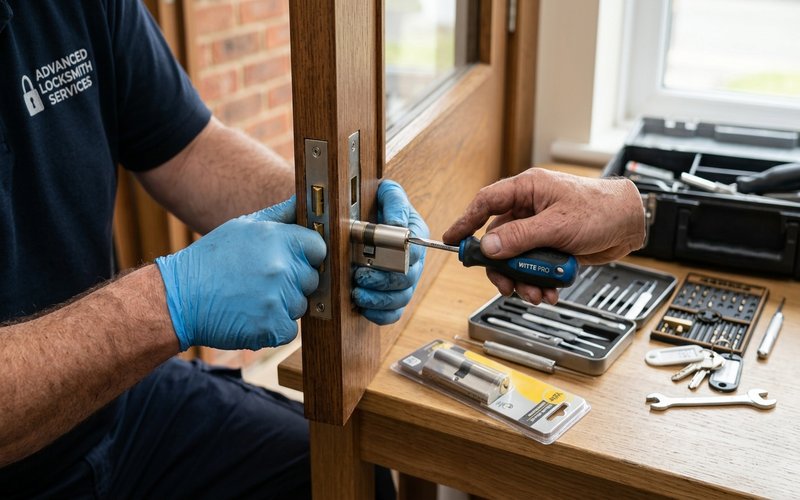
Your exterior door locks are your first line of defense against intruders, yet they're often taken for granted until something goes wrong. Fall is the perfect time to give each lock a thorough inspection and testing.
Test Lock Functionality
Start by testing every exterior door lock in your home. Insert your key and turn it several times, paying attention to how smoothly it operates. If you notice any resistance, grinding, or difficulty turning, this indicates internal wear or debris buildup that needs attention. Don't ignore sticky locks—they typically worsen over time and can lead to keys breaking off inside the mechanism, resulting in costly emergency locksmith calls.
Check the deadbolt action on each door. The bolt should extend and retract smoothly without requiring excessive force. If your deadbolt sticks or doesn't fully extend, it may be misaligned or need lubrication. A deadbolt that doesn't fully extend compromises your security significantly, as it can be more easily forced open.
Look for Signs of Lock Wear
Examine the physical condition of each lock. Look for rust, corrosion, or loose hardware. In Placentia's climate, locks near sprinkler systems or exposed to morning dew may develop moisture-related issues. Check if the lock cylinder wobbles when you insert the key—this looseness can indicate worn internal components or mounting hardware that needs tightening.
Inspect your keys as well. If they show significant wear, have grooves that appear shallow, or have rough edges, it's time for replacements. Worn keys can damage lock internals and are more likely to break inside the lock at the most inconvenient times.
Consider Lock Upgrades
If your locks are more than 5-7 years old or show signs of wear, fall is an excellent time to upgrade to newer, more secure models. Modern locks offer enhanced security features including:
- Pick-resistant cylinders that thwart common break-in techniques
- Bump-proof mechanisms that prevent bump key attacks
- Smart lock technology that allows remote monitoring and control
- Grade 1 deadbolts that meet the highest security standards
- Rekeyable locks that allow you to change security without replacing hardware
Evaluate Door Frames and Strike Plates
Even the strongest lock is only as secure as the door and frame it's mounted in. Many homeowners focus exclusively on locks while overlooking critical vulnerabilities in door frames and strike plates.
Inspect Door Frame Integrity
Walk around to each exterior door and carefully examine the frame. Look for cracks, splits, or signs of wood rot, especially at the bottom where moisture accumulation is common. Press firmly against the frame near the strike plate—if it feels soft or gives under pressure, the wood may be compromised and needs reinforcement or replacement.
Check the gap between your door and frame when the door is closed. If you can see significant daylight or if the gap is inconsistent, your door may have shifted or the hinges may be loose. These gaps not only compromise security but also reduce energy efficiency.
Upgrade Strike Plates
The strike plate is the metal piece attached to the door frame that receives the deadbolt. Standard strike plates installed by builders are often inadequate, using short screws that barely penetrate the door frame. For significantly improved security:
- Replace standard strike plates with heavy-duty models that are at least 1/8 inch thick
- Use 3-inch screws that penetrate through the frame into the wall stud
- Consider box strike plates that encase the deadbolt for maximum resistance to kick-in attacks
- Ensure the strike plate hole properly aligns with the deadbolt
Check Sliding Door and Window Security
Sliding glass doors and windows are common entry points for burglars because they're often less secure than primary entrance doors. Placentia's pleasant climate means many homes feature multiple sliding doors leading to patios and yards.
Sliding Door Security Measures
Test the lock mechanism on every sliding glass door. These locks often wear out faster than standard door locks due to their design and frequent use. If your sliding door lock feels loose or doesn't engage firmly, it needs repair or replacement.
Place a security bar or wooden dowel in the track when the door is closed. This simple measure prevents the door from being forced open even if the lock is compromised. Ensure the bar fits snugly—there should be no room for the door to be lifted off its track.
Consider installing auxiliary locks on sliding doors. Foot-operated locks, pin locks, or double-bolt locks provide additional security layers that make forced entry significantly more difficult. These devices are especially important if your sliding doors are at the back of your home where burglars can work without being observed by neighbors or passersby.
Window Lock Inspection
Test every window lock in your home, paying special attention to ground-floor and easily accessible second-story windows. Window locks often become paint-sealed or corroded over time, making them difficult or impossible to secure properly.
For windows that don't lock securely, several affordable solutions exist:
- Keyed window locks that prevent opening from outside
- Pin locks that secure the window in closed or partially open positions
- Window security film that makes glass harder to break
- Window bars or grilles for particularly vulnerable windows
Assess Your Garage Security
Your garage often provides direct access to your home and contains valuable tools, equipment, and vehicles. Unfortunately, garage security is frequently overlooked during home security assessments.
Garage Door Opener Security
Test your automatic garage door opener to ensure it's functioning correctly. If your opener is more than 10-15 years old, consider upgrading to a modern model with rolling code technology. Older garage door openers use fixed codes that can be easily captured and replayed by tech-savvy burglars.
Change the default code on your keypad if you haven't already done so. Default codes are often published online and known to thieves. Choose a code that's not easily guessable (avoid birthdays, addresses, or simple sequences).
Ensure your garage door fully closes and doesn't reverse unexpectedly. A door that doesn't close completely leaves an obvious entry point. Check the door's manual release mechanism—while necessary for safety, this can be exploited by burglars using a coat hanger through gaps in the door. Consider installing a shield or upgrading to a model with a protected release mechanism.
Garage Service Door Security
The service door between your garage and home deserves the same security attention as your front door. This door should have:
- A solid core construction (not hollow)
- A high-quality deadbolt lock
- A reinforced strike plate with long screws
- A peephole or window for visibility
- Weather stripping to prevent drafts and noise
Man Door Inspection
If your garage has an exterior man door (a regular door to the outside), treat it with the same security standards as your front door. These doors are often at the side or rear of the property where they're less visible, making them attractive to burglars. Ensure this door has a deadbolt lock, reinforced frame, and adequate exterior lighting.
Test Your Key Management System
Fall is an ideal time to audit who has access to your home and whether that access is still appropriate.
Account for All Keys
Make a list of everyone who has a key to your home. This includes:
- Family members and roommates
- House sitters and pet sitters
- Cleaning services and maintenance providers
- Former residents or employees
- Neighbors holding emergency keys
- Contractors who performed work on your home
Evaluate Hidden Key Locations
If you hide a spare key outside your home, you're not alone—but you may be compromising your security. Burglars know all the common hiding spots: under doormats, above door frames, in fake rocks, and inside planters. If you must have an emergency key accessible, consider these safer alternatives:
- Give a key to a trusted nearby neighbor
- Install a high-security lockbox with a combination code
- Upgrade to a smart lock with keypad or smartphone access
- Use a realtor lockbox in a discrete location
Upgrade to Smart Lock Technology
Fall 2024 is an excellent time to consider smart lock technology, which has matured significantly and now offers reliable, user-friendly security enhancements.
Benefits of Smart Locks
Smart locks provide numerous advantages over traditional lock systems:
- Keyless entry: Access your home using smartphone apps, keypads, or biometric readers, eliminating the risk of lost or stolen keys
- Remote access: Lock or unlock your doors from anywhere, perfect for letting in guests or service providers when you're away
- Activity monitoring: Receive notifications when doors are locked or unlocked and see who accessed your home and when
- Temporary access codes: Create time-limited codes for guests, cleaners, or contractors that automatically expire
- Integration: Connect with home automation systems for enhanced security and convenience
- Auto-lock features: Ensure doors automatically lock after a set period, eliminating worries about whether you locked up
Choosing the Right Smart Lock
When selecting a smart lock for your Placentia home, consider:
- Compatibility: Ensure the lock works with your existing door and fits your lifestyle
- Connectivity: Choose between WiFi, Bluetooth, or Z-Wave depending on your needs and home automation setup
- Battery life: Look for models with long battery life and low-battery warnings
- Backup access: Ensure the lock offers multiple entry methods in case of technology failure
- Security certifications: Select locks that meet ANSI/BHMA standards for durability and security
- Professional installation: While some smart locks are DIY-friendly, professional installation ensures proper function and security
Inspect Outdoor Lighting
Adequate exterior lighting is one of the most effective crime deterrents, yet it's often insufficient or poorly maintained. As days grow shorter in fall, lighting becomes increasingly important.
Assess Current Lighting Coverage
Walk around your property after dark to identify poorly lit areas. Pay particular attention to:
- Entry doors and pathways
- Garage and driveway areas
- Side yards and alleys
- Backyard access points
- Areas with valuable items (pool equipment, outdoor furniture, tools)
Upgrade to Motion-Activated Lighting
Motion-activated lights provide security benefits while minimizing energy costs. Install motion sensors at:
- All entry points
- Along pathways to doors
- Near garage and shed doors
- In backyard areas
Review Your Home Security System
If you have a home security system, fall maintenance ensures it's functioning optimally when you need it most.
Test All System Components
Conduct a comprehensive system test including:
- All door and window sensors
- Motion detectors in each zone
- Glass break sensors
- Security cameras (check image quality and coverage)
- Control panel functionality
- Backup battery power
- Communication with monitoring station
Update System Programming
Review and update:
- Access codes (change them if they haven't been updated in over a year)
- Emergency contact lists
- Monitoring service contact information
- Smart home automation rules and schedules
Consider System Upgrades
If your security system is more than 5-7 years old, newer technology may offer significant improvements:
- HD security cameras with night vision
- Smart doorbell cameras for visitor monitoring
- Smartphone app integration for remote monitoring
- Professional monitoring with smart response features
- Integration with smart locks and lighting
Create an Access Security Plan for the Holidays
With the holiday season approaching, many Placentia homeowners will host guests or travel, creating unique security considerations.
Managing Guest Access
If you'll have holiday visitors, plan how they'll access your home:
- Provide temporary keys that you'll collect after their stay
- Create time-limited smart lock codes that expire automatically
- Establish clear expectations about locking doors and setting alarms
- Show guests how to properly secure all entry points
Travel Security Preparations
If you'll be traveling during the holidays:
- Stop mail and package deliveries or arrange for collection
- Use light timers to create the appearance of occupancy
- Have a trusted neighbor monitor your property
- Avoid announcing travel plans on social media
- Ensure all locks, alarms, and security systems are functioning before departure
- Consider professional house-sitting services for extended absences
Document Your Home Security Setup
As you complete your fall security assessment, create documentation that will prove valuable for insurance purposes and future reference.
Create a Home Security Inventory
Document:
- All lock types, brands, and key codes
- Security system model and company information
- Smart home device details and access information
- Emergency contact numbers for locksmith and security services
- Photos of all entry points and security devices
- Dates of installations and last maintenance